
Archive for the 'Baby Development Stages' Category


How Baby Sound In The First Year Of Her Life Helps For Language Development?

Thursday 13 September 2007

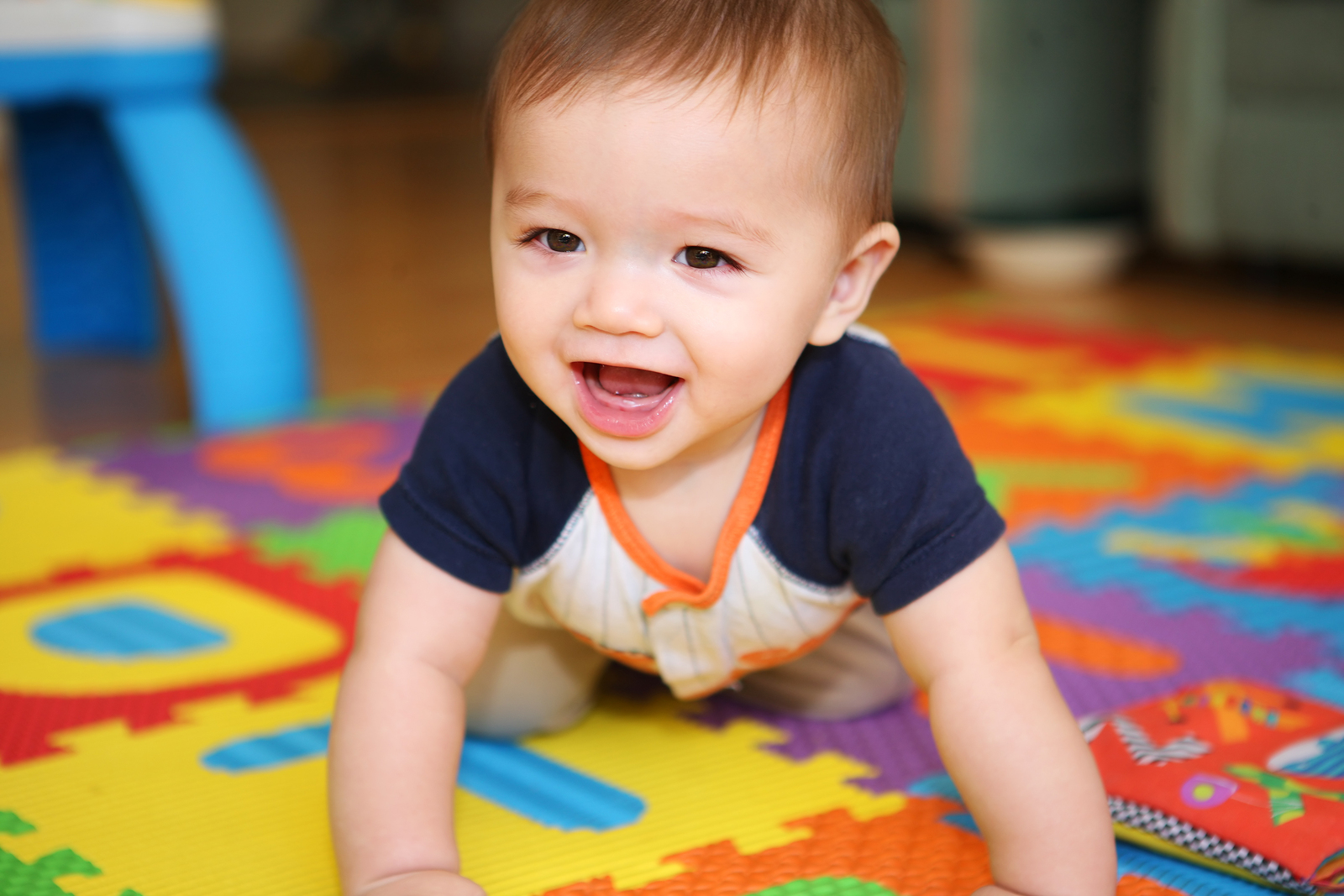
Baby SoundFrom birth to one year you will hear your baby sound in the form of crying to cooing to talking.

This baby sound is a sign for the development of her speech and language skills.

What type of baby sound you can observe from birth to one year?

One month:

Your baby at one month old can understand the speech before she begins to speak.

From the birth she will look at your face and listens to your voice. You can observe a small range of baby sound that will mean something to you.

With this sound she expresses the feelings of hunger, upset or cold and pain. The baby sound includes crying and certain sounds that she makes while breathing. When your baby is feeding she makes sucking noises and sound of happiness.

Baby’s cry is an important way to communicate. Crying is the foundation for speech as your baby learns to control the air that comes from her lungs and learns how to use her vocal cord.

Two months:


Encouraging Your Baby Walking Attempts

Friday 7 September 2007

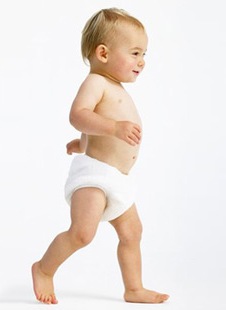
Baby WalkingLearning baby walking is a key milestone in every baby’s life. The first step while learning baby walking takes place in between nine and thirteen months.

Sometimes baby walking starts at sixteenth or seventeenth month, you need not to worry, this is still perfectly normal.

Baby exercise is essentially important to their health. The first baby exercise of course will be in the nurse’s arms.

After a month or two when your baby begins to sleep less during the day, he will delight to roll and kick about on the sofa.

He will thus use his limbs freely. Expose your baby into the open air, is all the exercise he requires at this period.

At some period the child will make his first attempt to walk. There are some baby walking devices which have been devised to teach a child to walk.

If you adopt the go-cart, leading-strings etc, their tendency is harmful, and they can cause flatness of the chest, confined lungs, distorted spine, and deformed legs, are so many evils which often originate in such practices.


How Can You Develop The Essential Motor Skills In Your Child Development?

Saturday 1 September 2007

Child DevelopmentThere are things you can do for your child development.

These things help in the process of developing the motor skills which are necessary for child walking on her own.

Here are few tips for child development:

  • When you want to help in your child walking, don’t hold her legs or hands. You can hold her by the torso.
  • Don’t allow your baby to wear shoes when she is inside. It is much easier for a baby to learn to walk barefoot.
  • Try to encourage your child walking motor skills by calling her to come to you or by placing a favorite toy just out of reach so that she crawls towards it. This will help her engage in these actions on her own decision and will accelerate the development of several necessary skills for independence.
  • Make sure that the floor in your house is not slippery. It is difficult for your baby to balance on a slippery floor and this will be dangerous for a baby just learning to balance.

Motor skills which are necessary for child development are not exactly the same thing as hand and eye coordination but they are pretty closely related. The development of hand-eye coordination often analogous and/or compliments the development of gross and fine motor skills.


How Can You Measure Your Baby Growth And Development?

Thursday 16 August 2007

Baby GrowthMost of the parents are worried about their baby’s growth patterns.

Regular visits with the pediatrician can help to main the normal baby growth.

Your pediatrician can use growth charts as tools to keep track of your baby growth and development.

The doctor will measure your baby’s length, weight, and head circumference in each checkup.

Then the doctor compares your baby growth measurements to a chart of national averages for infants of the same age and sex.

Hence the doctor will be able to tell you what percentile your baby is in when compared to averages for babies around the nation.

There are many issues that come into play when determining where your baby growth statistics will fall in the percentile chart.

You have to remember that no two babies are the same and that every child depends on the body chemistry, heredity, diet, and many other factors. These measurements, charts, and percentile points are only guides for a doctor to help in evaluating your baby growth.

You can also track your baby growth at home, but the measurements you take at home may or may not be as accurate as the measurements your doctor takes.


How Motors Skills Help For Your Baby Development?

Wednesday 25 July 2007

Baby DevelopmentWhen your baby begins to participate and engage in the world around him, it indicates that your baby is becoming more and more independent.

From the moment after the birth your baby will begin the process of developing the motor skills that are necessary for him to take command of that which is around him and for him to relate with the environment.

Physical baby development can be broken up into three-month intervals and divided into two categories. One is gross motor skills and the other is fine motor skills.

Gross motor skills are the term, which is used to describe your baby’s ability to control different parts of his own body.

Fine motor skills refer to your baby’s level of harmonization of different body parts, such as picking up an object with his thumb and forefinger. These two skills indicate your baby development.

Infant muscle development starts at the head and works its way down. Baby development first starts with control over the neck muscles. Soon after that your baby learns to control the torso and finally leg muscles.


Next Posts »»